
Unlocking the Benefits of Corporate Volunteering
benefits of corporate volunteering

Unlocking the Benefits of Corporate Volunteering

Volunteers distributing aid at an outdoor donation center, promoting social impact and diversity.Photo: RDNE Stock project / Pexels

Unlocking the Benefits of Corporate Volunteering

Transform your company culture, empower your employees, and make a tangible difference in your community through strategic volunteer programs.

Start Volunteering Today

Key Takeaways

  • ✓ 93% of employees who volunteer through their company report being happy with their employer.
  • ✓ Companies with strong CSR programs experience 4-6% higher employee retention rates.
  • ✓ 70% of consumers are more likely to buy from companies committed to social responsibility.
  • ✓ Corporate volunteering can improve employee morale, teamwork, and leadership skills.

How It Works

1
Assess Company & Community Needs

Identify internal goals like team building or skill development, alongside critical needs within your local community. This alignment ensures impactful and relevant volunteer opportunities.

2
Design & Launch a Program

Create a structured volunteering program, defining clear objectives, selecting suitable non-profit partners, and establishing logistical support. Communicate the program widely to encourage participation.

3
Engage & Empower Employees

Offer diverse volunteer options, provide necessary resources, and recognize employee contributions. Foster a culture where volunteering is valued and integrated into company life.

4
Measure Impact & Refine

Track participation, gather feedback, and assess the social and business outcomes of your initiatives. Use these insights to continuously improve and expand your corporate volunteering efforts.

Elevating Employee Engagement and Retention through Volunteering

Volunteers distributing aid at an outdoor donation center, promoting social impact and diversity.Photo: RDNE Stock project / Pexels
In today's competitive talent landscape, attracting and retaining top talent goes far beyond salary and benefits. Employees, particularly younger generations, are increasingly seeking purpose and meaning in their work. This is where the profound benefits of corporate volunteering truly shine, acting as a powerful catalyst for elevating employee engagement and retention. When companies invest in well-structured volunteer programs, they are not just giving back to the community; they are strategically investing in their most valuable asset: their people. Employees who participate in company-sponsored volunteer initiatives often report a stronger sense of purpose and connection to their employer. They feel valued, knowing their company supports their desire to make a difference, which translates directly into higher job satisfaction. This isn't merely anecdotal; numerous studies consistently show a direct correlation between corporate volunteering and enhanced employee morale. When employees volunteer together, they often step outside their typical work roles, engaging in activities that foster teamwork, communication, and problem-solving in a new environment. This shared experience builds stronger interpersonal relationships, breaking down departmental silos and creating a more cohesive and collaborative workplace culture. Imagine a marketing team working alongside an engineering team to build a playground; the shared goal and physical activity can forge bonds that traditional office settings rarely achieve. Beyond camaraderie, volunteering also provides opportunities for skill development that might not be available in their day-to-day tasks. Employees can hone leadership skills by organizing events, project management skills by coordinating tasks, or even technical skills by assisting non-profits with digital transformation projects. These transferable skills not only benefit the individual's career growth but also enhance their capabilities within the company. Furthermore, a robust corporate volunteering program significantly boosts employee retention. When employees feel connected to their company's values and see their employer actively contributing to societal good, their loyalty deepens. They are less likely to seek opportunities elsewhere, viewing their current workplace as more than just a place to earn a paycheck, but as a community that aligns with their personal values. This emotional investment is a powerful antidote to turnover, reducing recruitment costs and preserving institutional knowledge. Organizations with strong corporate social responsibility (CSR) initiatives, including active volunteering programs, consistently report lower attrition rates compared to their counterparts. The perception of a company caring for its employees and the broader community creates a positive employer brand, making it an attractive place to work and a difficult one to leave. Ultimately, by fostering a culture of giving back, companies are not just performing a good deed; they are creating a virtuous cycle where engaged, satisfied employees become dedicated ambassadors, driving both internal success and external impact. Explore more about how corporate social responsibility initiatives can further benefit your organization.

Strengthening Brand Reputation and Community Relations
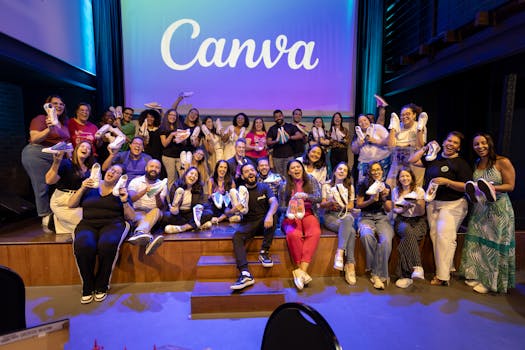
Large group celebrating with custom sneakers at a Canva event.Photo: Matheus Bertelli / Pexels
The outward-facing benefits of corporate volunteering are equally compelling, particularly in strengthening brand reputation and fostering positive community relations. In an era where consumers are increasingly conscious about the ethical practices of the brands they support, a visible commitment to social responsibility can be a significant differentiator. Corporate volunteering allows companies to demonstrate their values in action, moving beyond mere statements to tangible contributions that resonate with the public. When a company's employees are seen actively participating in local community projects, whether it's cleaning up parks, mentoring youth, or assisting at food banks, it creates a powerful and positive image. This direct involvement builds trust and goodwill within the community, painting the company as a responsible and caring neighbor rather than just a commercial entity. This positive perception can translate into increased customer loyalty and preference. Consumers are more likely to choose products and services from companies they perceive as doing good in the world, and conversely, they may actively avoid those with poor social records. This isn't just about altruism; it's smart business. A strong brand reputation, bolstered by genuine community engagement, can be a competitive advantage, especially in markets where product differentiation is minimal. Moreover, corporate volunteering provides excellent opportunities for positive public relations and media coverage. Local news outlets are often keen to feature stories about companies giving back, offering valuable, organic exposure that money can't buy. These stories highlight the company's human side, showcasing employees as dedicated individuals making a real difference, which can significantly enhance brand appeal. Beyond public perception, active community involvement through volunteering opens doors for valuable networking and partnership opportunities. Companies can build stronger relationships with local non-profits, community leaders, and other businesses, fostering a network of mutual support and collaboration. These relationships can lead to new business opportunities, talent acquisition channels, and a deeper understanding of the local market's needs and dynamics. Furthermore, a company's commitment to social good can attract socially conscious investors who prioritize environmental, social, and governance (ESG) factors. A strong ESG profile, partly driven by effective volunteering programs, can improve investor confidence and potentially lead to better financial performance in the long run. The positive ripple effect extends to crisis management as well; companies with a history of strong community engagement often find more public leniency and support during challenging times, having built up a reservoir of goodwill. Ultimately, by embedding volunteering into its corporate fabric, a company not only contributes to a better society but also cultivates a robust, respected, and resilient brand image that resonates deeply with employees, customers, and the broader community.

Developing Skills and Fostering Innovation Through Volunteer Experiences

A young woman presents to colleagues in a modern team meeting setting.Photo: Kampus Production / Pexels
The benefits of corporate volunteering extend far beyond morale and public image, playing a critical role in developing employee skills and fostering a culture of innovation within the organization. While often seen as an act of selfless giving, volunteering can be a surprisingly effective training ground for a diverse range of professional competencies that directly impact business performance. When employees engage in volunteer activities, they are frequently tasked with responsibilities that differ significantly from their daily job functions. A software engineer might find themselves organizing a charity drive, honing their event planning and logistical skills. A sales manager might mentor underprivileged youth, developing their coaching and empathetic communication abilities. These experiences force individuals to step out of their comfort zones, adapt to new challenges, and apply their existing skills in novel ways, or acquire entirely new ones. Leadership development is a prime example. In a volunteer setting, individuals often take on leadership roles organically, coordinating teams, motivating peers, and making decisions under different constraints than those found in the corporate environment. This provides invaluable practical experience in leadership without the high-stakes pressure of a direct business project. Similarly, problem-solving skills are sharpened as volunteers encounter real-world issues that require creative and adaptive solutions, often with limited resources. These are precisely the kinds of skills that drive innovation back in the workplace. Moreover, volunteering often exposes employees to diverse perspectives and societal challenges they might not encounter otherwise. This exposure broadens their understanding of the world, fostering empathy and critical thinking. When employees return to their regular jobs with a fresh perspective, they are more likely to approach business problems with greater creativity and a deeper understanding of stakeholder needs. This cross-pollination of ideas and experiences can spark new insights, leading to innovative solutions for internal processes, product development, or customer service strategies. For instance, an employee who volunteered with a local environmental group might identify inefficiencies in the company's waste management system, proposing sustainable alternatives learned during their volunteering. Teamwork and collaboration are also significantly enhanced. Working together on a shared, altruistic goal can break down hierarchical barriers and foster a sense of collective purpose that strengthens team dynamics. Employees learn to leverage each other's strengths in a non-competitive environment, building trust and improving communication, which directly translates to more effective collaboration on work projects. This shared experience can also improve internal communication, as employees from different departments learn to work together more seamlessly. Ultimately, by facilitating these unique learning environments, corporate volunteering acts as an informal yet powerful professional development tool. It equips employees with a broader skill set, enhances their critical thinking, and instills a mindset of innovation, directly contributing to the company's long-term success and adaptability. For more insights on building strong teams, consider exploring articles on corporate team building strategies.

Strategic Planning and Common Pitfalls in Corporate Volunteering

A volunteer oversees a charity bike event under a blue tent on a sunny day.Photo: Charles Criscuolo / Pexels
To truly harness the benefits of corporate volunteering, strategic planning is paramount. Simply organizing a one-off event is unlikely to yield the sustained positive impacts discussed. A well-thought-out program requires careful consideration of company goals, employee interests, and community needs. One of the first steps is to align your volunteering efforts with your company's core values and business objectives. For example, a tech company might partner with organizations that teach coding to underprivileged youth, leveraging its employees' expertise for maximum impact and relevance. This alignment ensures authenticity and makes the program more meaningful for participants and beneficiaries alike. **Common Pitfalls to Avoid:** * **Lack of Employee Buy-in:** If employees don't feel genuinely connected to the cause or see the value, participation will dwindle. Involve employees in selecting causes or activities to increase engagement. * **Poor Logistics and Planning:** Disorganized events can be frustrating for volunteers and non-profit partners. Ensure clear communication, adequate resources, and proper support for all activities. * **Tokenism or Greenwashing:** Don't use volunteering as a superficial PR stunt. Employees and the public can easily spot insincere efforts, which can damage reputation rather than enhance it. Authenticity is key. * **Ignoring Employee Skills:** Forcing highly skilled professionals into unskilled labor when their expertise could be better utilized is a missed opportunity. Match skills to needs where possible for greater impact and employee satisfaction. * **Lack of Measurement and Feedback:** Without tracking participation, outcomes, and gathering feedback, it's impossible to understand the program's effectiveness or identify areas for improvement. Implement clear metrics and feedback loops. * **Infrequent Opportunities:** Sporadic volunteering efforts can make it difficult to build momentum or foster a sustained culture of giving. Offer regular, diverse opportunities to keep engagement high. To maximize impact, consider dedicating paid volunteer time, making it easier for employees to participate without personal sacrifice. Partner with established non-profits that have clear needs and can effectively manage volunteers. Provide opportunities for both individual and team volunteering, catering to diverse preferences. Finally, celebrate and recognize employee contributions regularly. Publicly acknowledging their efforts reinforces the value of volunteering and encourages continued participation, embedding it deeply into your corporate culture.

Comparison

AspectCorporate VolunteeringCash Donations OnlyAd-Hoc Individual VolunteeringPure Team Building Event
Employee EngagementHigh (shared purpose, skill dev)Low (passive involvement)Variable (personal choice)High (focused on internal bonds)
Skill DevelopmentHigh (diverse roles, new challenges)NoneVariable (personal choice)Moderate (specific activities)
Brand ReputationHigh (visible action, goodwill)Moderate (less visible, less personal)Low (no company association)Low (internal focus)
Community ImpactHigh (direct service, resources)High (financial support)Variable (isolated efforts)Low (no external focus)
Team CohesionHigh (shared goal, non-work context)NoneLow (individual focus)High (designed for cohesion)
Public Relations ValueHigh (story-rich, authentic)Moderate (press releases)LowLow

What Our Readers Say

5 ★★★★★

"Our company's annual 'Day of Service' has completely transformed our team dynamic. Seeing colleagues from different departments work together on a community garden fostered connections I never thought possible. It genuinely strengthened our internal bonds, a clear benefit of corporate volunteering."

5 ★★★★★

"As a manager, I've seen firsthand how our corporate volunteering program boosts morale. Employees feel more connected to our company's values and proud of the positive impact we make. It’s a win-win for everyone involved."

5 ★★★★★

"Through our company's volunteering efforts, I had the chance to lead a project helping local schools. This experience not only developed my leadership skills but also gave me a profound sense of purpose. Our last project resulted in 20 new computers for underserved students, a tangible benefit of corporate volunteering I'm incredibly proud of."

4 ★★★★☆

"While the initial organization for our first few events was a bit bumpy, the overall benefits of corporate volunteering are undeniable. We've seen a noticeable improvement in cross-departmental collaboration, and employees frequently talk about how much they appreciate the opportunity to give back. It's truly becoming a core part of our culture."

5 ★★★★★

"Our corporate volunteering initiatives have significantly enhanced our brand's reputation in the community. We've received positive media attention and, more importantly, a deeper connection with our customers who appreciate our commitment to local causes. It's an investment that pays dividends in goodwill and loyalty."

Frequently Asked Questions

What are the primary benefits of corporate volunteering for a business?
The primary benefits for a business include enhanced employee engagement and retention, improved brand reputation and public relations, development of new skills among employees, fostering innovation, and stronger community relations. It creates a positive work culture, attracts talent, and differentiates the company in the market, ultimately contributing to long-term success and sustainability.
Is corporate volunteering just a PR stunt, or does it offer genuine value?
While it can certainly boost PR, genuine corporate volunteering offers profound and measurable value. When authentically integrated into a company's culture and values, it leads to real improvements in employee morale, skill development, and community impact. It moves beyond superficial gestures to create lasting positive change for all stakeholders involved.
How can a company start a corporate volunteering program?
To start, assess your company's values and community needs to find a suitable match. Partner with local non-profits, design a clear program with defined goals, and communicate it effectively to employees. Provide resources, collect feedback, and measure impact to refine and grow the program over time. Start small and build momentum.
Does corporate volunteering cost a lot, and is it worth the investment?
The cost can vary depending on the program's scale and nature, but the return on investment is often significant. While there are costs associated with paid time off, coordination, and sometimes materials, these are often offset by reduced employee turnover, increased productivity from engaged staff, improved brand value, and positive public perception. It's an investment in human capital and social license.
How does corporate volunteering compare to simply donating money to charities?
While cash donations are vital for charities, corporate volunteering offers unique benefits that donations alone cannot. Volunteering provides direct employee engagement, skill development, team building, and a visible, tangible demonstration of corporate values. It creates a deeper connection between the company, its employees, and the community, offering a more holistic approach to corporate social responsibility.
Who should participate in corporate volunteering within a company?
Ideally, all employees should be encouraged to participate, from entry-level staff to senior leadership. Diverse participation fosters a sense of unity and shared purpose across all levels of the organization. Offering a variety of activities can cater to different interests and skill sets, ensuring broad appeal and maximum involvement.
Are there any risks or downsides to implementing a corporate volunteering program?
Potential risks include poor planning leading to disengaged employees or inefficient use of time, or the perception of 'greenwashing' if efforts are not genuine. To mitigate these, ensure authentic alignment with company values, thorough planning, clear communication, and opportunities for employee input. A well-managed program minimizes risks and maximizes benefits.
What are the future trends in corporate volunteering?
Future trends include a greater focus on skill-based volunteering, virtual volunteering opportunities, increased integration with diversity, equity, and inclusion (DEI) initiatives, and more sophisticated impact measurement. Companies will also likely prioritize long-term partnerships with non-profits over one-off events, aiming for deeper, more sustainable community impact.

Embrace the myriad benefits of corporate volunteering to transform your business, empower your workforce, and build a lasting legacy of positive impact. Begin your journey toward a more engaged, reputable, and community-minded organization today.

Topics: benefits of corporate volunteeringemployee engagement volunteeringcorporate social responsibilitycommunity involvement businessteam building volunteer
Leo List
Brampton weed
Adultwork