✓ 93% of employees who volunteer through work are proud of their employer.
✓ Companies with strong CSR programs see 2.5x higher stock performance.
✓ Corporate volunteering can reduce employee turnover by up to 50%.
✓ 70% of consumers are willing to pay more for brands committed to positive social impact.
How It Works
1
Assess Your Goals & Values
Identify what your company aims to achieve with volunteering, aligning with your core values and business objectives. This ensures meaningful and strategic program development.
2
Design Your Program Structure
Determine the type of volunteering (e.g., skill-based, hands-on), frequency, and whether it's company-wide or team-specific. Consider flexibility and employee preferences to maximize participation.
3
Partner with Nonprofits
Select reputable non-profit organizations whose missions resonate with your company's values and employee interests. Strong partnerships are crucial for successful and impactful initiatives.
4
Promote, Execute & Measure
Effectively communicate the program to employees, provide necessary resources, and execute the volunteering events. Crucially, track and report on the impact to demonstrate value and refine future efforts.
Enhancing Employee Engagement Through Corporate Giving Programs
Photo: Mikhail Nilov / Pexels
In today's competitive talent landscape, fostering a highly engaged workforce is paramount for any successful organization. One of the most powerful yet often underestimated tools in an HR professional's arsenal is corporate volunteering. Beyond the altruistic act of giving back, these programs serve as potent catalysts for boosting employee morale, fostering a sense of purpose, and significantly enhancing overall engagement. When employees are given the opportunity to contribute their time and skills to a cause they believe in, especially with their colleagues, it transcends a mere work-related activity. It becomes a shared experience that builds camaraderie, strengthens interpersonal bonds, and injects a deeper sense of meaning into their professional lives.
Studies consistently show a direct correlation between corporate volunteering and higher levels of employee satisfaction and retention. Employees who participate in company-sponsored volunteer activities report feeling more connected to their workplace, more valued by their employer, and more proud of their company's mission. This isn't just about feeling good; it translates into tangible business outcomes. Engaged employees are more productive, more innovative, and less likely to seek opportunities elsewhere. They become advocates for your brand, both internally and externally. Moreover, corporate volunteering provides a unique platform for skill development that traditional training programs might not offer. Employees might find themselves leading a project for a local charity, developing problem-solving skills in an unconventional environment, or honing their communication abilities while interacting with diverse community members. These experiences not only benefit the community but also equip employees with a broader skill set that can be directly applied back in their roles, creating a virtuous cycle of growth and contribution.
Furthermore, the shared experience of volunteering breaks down departmental silos and hierarchical barriers. When a CEO works alongside an entry-level employee on a community project, it humanizes the workplace and creates a more inclusive culture. This horizontal interaction fosters a stronger sense of team and belonging, which are critical components of a positive work environment. Companies that actively promote corporate social responsibility initiatives often find that their employees are more loyal and invested in the company's long-term success. It signals that the organization cares about more than just profit margins; it cares about people and the planet. This resonates deeply with modern employees, particularly millennials and Gen Z, who increasingly seek employers whose values align with their own. By investing in corporate volunteering, you're not just giving back; you're strategically investing in your most valuable asset: your people.
Building Brand Reputation and Corporate Social Responsibility
Photo: Pavel Danilyuk / Pexels
The landscape of public perception has dramatically shifted. Consumers, investors, and potential employees are no longer solely focused on product quality or financial performance. They are increasingly scrutinizing a company's ethical stance, its commitment to social good, and its overall impact on the world. This is where the benefits of corporate volunteering extend far beyond internal employee engagement and play a crucial role in shaping a positive brand reputation and solidifying a company's commitment to corporate social responsibility (CSR).
When a company actively encourages and facilitates its employees to volunteer, it sends a powerful message to the market: this organization is a responsible corporate citizen. This public demonstration of goodwill can significantly enhance brand image, differentiating the company from competitors who may not have such robust CSR initiatives. A strong CSR reputation can lead to increased customer loyalty, as consumers are more likely to support businesses that align with their values. It can also attract impact investors who prioritize ethical and sustainable practices, potentially opening new avenues for funding and growth. Moreover, in an era of instant information sharing, positive stories about a company's community involvement can go viral, generating invaluable earned media and reinforcing a positive public narrative.
Corporate volunteering is a tangible manifestation of CSR, moving beyond mere statements to demonstrable action. It allows companies to address specific social or environmental issues directly and visibly. Whether it's restoring local parks, mentoring underserved youth, or providing pro-bono services to non-profits, these activities create real, measurable impact. This authentic engagement with the community builds trust and credibility, which are priceless assets in today's transparent business environment. It shows that the company is not just talking the talk but walking the walk.
Furthermore, a well-publicized corporate volunteering program can be a powerful tool for talent acquisition. Top talent, especially younger generations, are actively seeking employers who offer more than just a paycheck. They want to work for companies that have a positive impact on society. Highlighting your commitment to volunteering in recruitment materials and during interviews can significantly enhance your employer brand, making you a more attractive prospect to highly skilled and socially conscious candidates. It speaks volumes about the company culture and its values, signaling a workplace where employees can not only build a career but also contribute to something larger than themselves. In essence, corporate volunteering isn't just about charity; it's a strategic investment in building a resilient, respected, and reputable brand.
Fostering Team Cohesion and Leadership Development
Photo: Mohammed Amine Jaddari / Pexels
Beyond the external benefits of enhanced brand reputation and the internal boost to employee engagement, corporate volunteering offers profound advantages in fostering team cohesion and serving as an unconventional yet highly effective platform for leadership development. Traditional team-building exercises often fall short of creating genuine bonds and revealing true leadership potential. However, when employees work side-by-side on a meaningful volunteer project, the dynamic shifts dramatically. The shared experience of overcoming challenges, collaborating towards a common altruistic goal, and making a tangible difference in the community naturally breaks down internal barriers and strengthens interpersonal relationships.
During a volunteer event, employees often find themselves in new environments, tackling unfamiliar tasks, and interacting with colleagues they might not typically work with. This creates fertile ground for organic team building. Hierarchies often dissolve as everyone rolls up their sleeves for a common cause, fostering a sense of equality and mutual respect. Communication skills are honed as teams coordinate efforts, problem-solving abilities are tested when unexpected issues arise, and empathy grows as individuals connect with the community they are serving. These are all critical components of a high-performing team. The shared sense of accomplishment and the collective pride in their contribution create lasting memories and reinforce a positive team identity, which translates back into improved collaboration and a more supportive work environment when they return to their regular duties. This kind of shared positive experience is invaluable for corporate culture.
Moreover, corporate volunteering provides a unique crucible for identifying and developing leadership skills. In a volunteer setting, individuals who might not typically hold formal leadership positions often step up, demonstrating initiative, organizational prowess, and the ability to motivate others. Project management skills are put to the test as teams plan and execute their tasks, often with limited resources and tight deadlines. Individuals learn to delegate, mediate conflicts, and inspire their peers, all without the safety net of established corporate structures. Observing who takes charge, who effectively resolves issues, and who inspires their colleagues during a volunteer day can offer invaluable insights into an employee's untapped leadership potential. Companies can strategically design their volunteering programs to provide opportunities for emerging leaders to take on supervisory roles, manage logistics, or lead specific tasks, thereby nurturing their development in a real-world, low-stakes environment.
Furthermore, for existing leaders, volunteering offers a chance to lead by example, demonstrating their commitment to the company's values and to the broader community. It allows them to connect with their teams on a more personal level, fostering trust and respect. The skills developed and refined in these settings – adaptability, compassion, strategic thinking under pressure, and inspiring others – are directly transferable and highly beneficial for leadership roles within the company. Thus, corporate volunteering is not just an act of kindness; it's a strategic investment in developing a more cohesive, skilled, and purpose-driven workforce.
Maximizing Impact: Best Practices for Corporate Volunteering Initiatives
Photo: Walls.io / Pexels
To truly harness the extensive benefits of corporate volunteering, it's essential to move beyond ad-hoc events and embrace strategic planning and execution. A well-designed program maximizes both the community impact and the internal returns for your organization. Here are some best practices to ensure your corporate volunteering initiatives are successful and sustainable:
* **Align with Company Values and Mission:** Ensure your volunteering efforts resonate with your company's core values and strategic goals. This authenticity makes the program more meaningful for employees and more credible to external stakeholders. For instance, a tech company might focus on digital literacy programs, while a food company might support local food banks.
* **Employee-Centric Design:** Involve employees in the selection of causes and activities. Conduct surveys or hold forums to understand their passions and preferences. Programs that employees feel ownership over will naturally have higher participation rates and greater enthusiasm. Offer a variety of options to cater to diverse interests and skill sets.
* **Strategic Partnerships with Nonprofits:** Forge strong, long-term relationships with reputable non-profit organizations. These partnerships ensure that your efforts are genuinely needed and effectively utilized. A good partner can also help with logistics, training, and measuring impact, making your program more efficient and impactful.
* **Integrate Skills-Based Volunteering:** While hands-on activities are valuable, leverage your employees' professional skills. Offering pro-bono marketing, legal, IT, or financial expertise can provide immense value to non-profits and offer employees unique professional development opportunities.
* **Leadership Buy-in and Participation:** Senior leadership must champion the program, not just endorse it. Their active participation sends a clear message about the company's commitment and encourages broader employee involvement. When leaders volunteer alongside their teams, it reinforces a culture of giving.
* **Clear Communication and Promotion:** Effectively communicate the 'why' and 'how' of your volunteering program. Highlight success stories, share photos, and celebrate employee contributions. Use internal newsletters, social media, and company meetings to keep the program top-of-mind and encourage participation.
* **Measure and Report Impact:** Don't just volunteer; track the results. Quantify hours volunteered, funds raised, and the tangible impact on the community. Share these metrics internally and externally. This demonstrates accountability, motivates employees, and reinforces your CSR efforts.
* **Provide Paid Volunteer Time:** The most effective programs offer employees dedicated, paid time off for volunteering. This removes a significant barrier to participation and signals that the company truly values community involvement as part of its work culture.
* **Offer Flexibility and Variety:** Recognize that employees have different schedules and preferences. Offer a mix of short-term, long-term, individual, and team-based opportunities. Consider virtual volunteering options to increase accessibility.
By implementing these best practices, companies can ensure their corporate volunteering initiatives are not just fleeting gestures but powerful, sustainable engines for positive change, both within the organization and in the wider community.
Comparison
Feature
Corporate Volunteering
Traditional Team Building
Monetary Donations Only
Employee Engagement
High (shared purpose, skill application)
Moderate (can feel forced)
Low (passive involvement)
Skill Development
High (practical application, new challenges)
Low to Moderate (simulated scenarios)
None
Brand Reputation
Excellent (visible, authentic action)
Low (internal focus)
Good (behind-the-scenes support)
Community Impact
High (direct service, tangible results)
None
High (financial support)
Team Cohesion
Excellent (shared meaningful experience)
Moderate (activity-based)
None
Leadership Development
High (real-world problem-solving)
Moderate (role-playing)
None
What Readers Say
★★★★★
"Our annual corporate volunteering day is the highlight of my year. It's incredible to step away from my desk and apply my skills to help a local non-profit. I always feel re-energized and proud of what we accomplish as a team."
Sarah Chen · Seattle, WA
★★★★★
"I've seen a significant boost in team morale since our company started its robust volunteering program. It's not just about giving back; it's about connecting with colleagues on a deeper level and feeling like our work has a bigger purpose."
David Ramirez · Austin, TX
★★★★★
"Our company's commitment to community service through volunteering has directly impacted our ability to attract top talent. Candidates frequently mention our CSR efforts as a key reason they applied, and our turnover has noticeably decreased."
Emily White · Boston, MA
★★★★★
"While the impact of our corporate volunteering is undeniable, I'd love to see more flexible options for remote employees to participate. Still, the events I've attended have been incredibly rewarding and well-organized."
Mark Johnson · Chicago, IL
★★★★★
"As a manager, I've witnessed firsthand how volunteering strengthens team bonds and even uncovers hidden leadership qualities in my staff. It's a fantastic investment that pays dividends in both community good and employee development."
Jessica Lee · San Francisco, CA
Frequently Asked Questions
What are the primary benefits of corporate volunteering for a business?
The primary benefits include enhanced employee engagement and retention, improved brand reputation and corporate social responsibility (CSR), stronger team cohesion, development of leadership skills, and a positive impact on the local community. These advantages contribute to a more resilient and attractive organization.
Is corporate volunteering just a PR stunt?
While effective corporate volunteering can certainly generate positive PR, its core value extends far beyond superficial appearances. Authentically implemented programs with genuine community impact and employee involvement foster real benefits internally and externally, demonstrating true commitment rather than just a 'stunt'.
How can we start a corporate volunteering program?
Begin by assessing your company's values and goals, then research and partner with relevant non-profit organizations. Design a program structure that offers diverse opportunities, secure leadership buy-in, and clearly communicate the program to employees. Finally, measure and celebrate your impact.
What is the typical cost associated with corporate volunteering programs?
Costs can vary significantly. They might include paid employee time off, logistical expenses (transportation, materials), and sometimes direct donations to partner organizations. However, many benefits, such as increased employee retention and improved brand image, offer a significant return on this investment, often outweighing the direct costs.
How does corporate volunteering compare to simply donating money?
While monetary donations are crucial for non-profits, corporate volunteering offers additional, unique benefits. It directly engages employees, fosters skill development, builds team cohesion, and provides visible community interaction, which monetary donations alone cannot achieve. It creates a more holistic and impactful approach to CSR.
Which types of companies should engage in corporate volunteering?
Companies of all sizes and industries can benefit from corporate volunteering. Whether you're a small startup looking to build culture or a large corporation aiming to enhance your brand and engage a vast workforce, community involvement offers universal advantages. The key is to tailor the program to fit your specific context and resources.
Are there any risks involved with corporate volunteering?
Potential risks are generally low but can include logistical challenges, ensuring employee safety during activities, and managing expectations. Mitigate these by thorough planning, partnering with experienced non-profits, providing clear guidelines, and securing appropriate insurance. Proper communication is key to addressing any concerns.
What are the future trends in corporate volunteering?
Future trends include a greater emphasis on skills-based volunteering, virtual volunteering opportunities, increased focus on measuring and reporting social impact, integration with employee wellness programs, and personalized volunteering experiences. Companies are moving towards more strategic, data-driven, and flexible programs.
Embrace the transformative power of corporate volunteering. By investing in your community, you're investing in a more engaged workforce, a stronger brand, and a more sustainable future for your business. Start reaping the benefits today.

 Photo: Mikhail Nilov / Pexels
 Photo: Pavel Danilyuk / Pexels
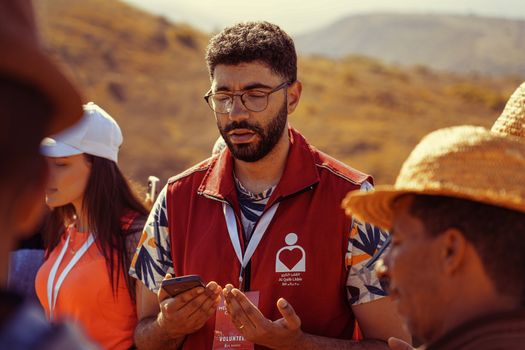 Photo: Mohammed Amine Jaddari / Pexels
 Photo: Walls.io / Pexels