Boost Morale: Corporate Team Building Activities Remote
corporate team building activities remote

Boost Morale: Corporate Team Building Activities Remote

Unlock unparalleled team cohesion and productivity with expertly designed virtual engagement strategies for your remote workforce.

Explore Remote Solutions

Key Takeaways

  • ✓ 70% of remote workers feel more connected with regular team building.
  • ✓ Employee retention increases by 50% with strong team bonds.
  • ✓ Virtual team building boosts productivity by an average of 20-25%.
  • ✓ Personalized activities lead to higher engagement rates than generic ones.

How It Works

1
Assess Your Team's Needs

Understand your team's current challenges, preferences, and goals through surveys or informal check-ins. This initial step is crucial for tailoring activities that resonate deeply and achieve desired outcomes.

2
Select Engaging Activities

Choose from a diverse range of virtual options, focusing on elements like collaboration, communication, problem-solving, or pure fun. Consider varying activity types to cater to different personalities and energy levels within your team.

3
Plan & Execute Flawlessly

Organize logistics, communicate clearly with participants, and ensure all necessary tools and instructions are provided in advance. A well-executed event minimizes technical glitches and maximizes participation and enjoyment for everyone involved.

4
Gather Feedback & Iterate

Collect feedback after each activity to understand what worked well and what could be improved. Use these insights to refine your future corporate team building activities remote strategy, ensuring continuous improvement and greater impact.

The Imperative of Virtual Team Engagement for Remote Workforces
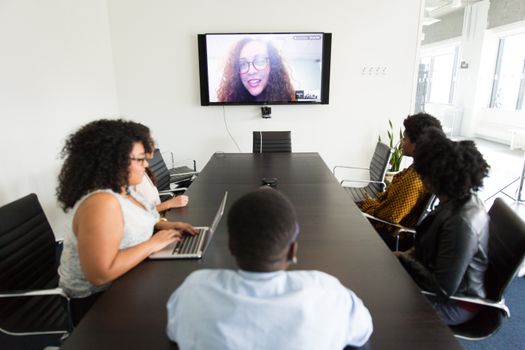
From above of diverse employees gathering at table in contemporary conference hall and having video call with coworker on TV set Photo: Christina Morillo / Pexels
In today's rapidly evolving corporate landscape, remote work has transitioned from a niche perk to a fundamental operational model for countless organizations across the United States and globally. While offering unparalleled flexibility and access to a broader talent pool, the distributed nature of remote teams introduces unique challenges to maintaining strong corporate culture, fostering camaraderie, and ensuring seamless collaboration. This is precisely where effective corporate team building activities remote become not just beneficial, but absolutely imperative. Without intentional efforts to bridge geographical distances and foster personal connections, remote teams can suffer from feelings of isolation, decreased morale, communication breakdowns, and ultimately, a decline in productivity and innovation. The traditional office environment naturally facilitated spontaneous interactions – water cooler chats, shared lunches, impromptu brainstorming sessions – all of which contribute significantly to team cohesion and a sense of belonging. Replicating this organic interaction in a virtual setting requires a deliberate, strategic approach. Investing in well-designed virtual team building initiatives goes far beyond simply organizing a fun virtual happy hour. It's about strategically cultivating an environment where every team member, regardless of their physical location, feels valued, connected, and integral to the collective success. These activities serve as vital touchpoints, offering opportunities for colleagues to interact on a more personal level, understand each other's working styles, and develop mutual trust – the bedrock of any high-performing team. Furthermore, they provide a platform for reinforcing company values, celebrating successes, and collectively addressing challenges in a low-pressure, engaging manner. For instance, a well-structured virtual escape room can highlight individual strengths in problem-solving while emphasizing the necessity of collective effort. A 'show and tell' session about personal hobbies can reveal hidden talents and foster empathy among team members, breaking down professional barriers and building genuine relationships. The return on investment for such initiatives is tangible: increased employee retention, enhanced communication efficiency, greater innovation through diverse perspectives, and a more resilient, adaptable workforce. As companies continue to navigate the complexities of remote and hybrid work models, prioritizing robust corporate culture strategies that include regular, meaningful remote team building is no longer optional; it's a strategic necessity for long-term success and competitive advantage.

Innovative & Engaging Corporate Team Building Activities Remote

The landscape of corporate team building activities remote has expanded dramatically, offering a wealth of creative options beyond simple video calls. The key is to select activities that genuinely engage participants, promote interaction, and align with your team's specific goals, whether that's improving communication, fostering creativity, or simply boosting morale. One highly effective category involves interactive problem-solving games. Virtual escape rooms, for instance, challenge teams to work together, decipher clues, and solve puzzles within a time limit, mirroring real-world project challenges in a fun, pressure-free environment. These activities naturally encourage leadership, delegation, and critical thinking. Another popular option is online trivia or game shows, which can be customized to include company-specific facts, general knowledge, or even personal interests of team members, making them both entertaining and personalized. Platforms like Kahoot! or virtual pub quizzes are excellent for this. Creative and collaborative projects also yield significant benefits. Virtual art classes, where everyone receives a supply kit and follows an instructor online, allow team members to express themselves creatively while sharing a common experience. Similarly, online cooking classes, where a chef guides participants through preparing a meal, can be incredibly bonding. Teams can share their culinary creations and stories, fostering a sense of shared accomplishment. For teams focused on skill development and intellectual engagement, virtual workshops on topics like mindfulness, digital storytelling, or even a book club can be highly effective. These not only provide personal growth opportunities but also create shared learning experiences that spark conversation and deeper connection. Consider also 'virtual water cooler' initiatives – structured short breaks where teams are encouraged to chat about non-work topics, replicating the spontaneous social interactions of an office. This could be a 15-minute 'coffee break' or a 'lunch roulette' where pairs or small groups are randomly assigned to eat their lunch together virtually. The success of these activities often hinges on clear facilitation, enthusiasm from leadership, and ensuring accessibility for all team members, regardless of their technical proficiency or time zone differences. Remember, the goal is to create shared positive experiences that reinforce team bonds and make remote work feel less isolating and more connected.

Crafting a Strategy for Sustainable Remote Team Cohesion

Developing a robust strategy for corporate team building activities remote requires more than just scheduling a one-off event; it demands a continuous, integrated approach to foster sustainable remote team cohesion. The foundation of this strategy lies in understanding that team building is an ongoing process, not a destination. It begins with defining clear objectives: Are you aiming to improve cross-functional communication, boost overall morale, onboard new hires effectively, or address specific team dynamics? Tailoring activities to these objectives ensures that efforts are purposeful and yield measurable results. A successful strategy incorporates a mix of formal and informal activities, ranging from structured workshops to spontaneous social interactions. For instance, a monthly virtual 'town hall' meeting that includes a short, interactive team-building game can reinforce both corporate objectives and team unity. Additionally, establishing virtual 'buddy systems' for new hires can significantly aid their integration into the remote team culture, providing them with a go-to person for informal support and guidance. Measurement and feedback loops are critical components of a sustainable strategy. After each activity, gather feedback through quick surveys or open discussions. Ask specific questions: Did the activity meet its goals? Did participants feel more connected? What could be improved? This data is invaluable for refining your approach and ensuring future activities are even more impactful. Furthermore, integrating team building into the broader employee engagement program demonstrates its importance to the company culture. This could involve allocating a specific budget for remote team events, empowering team leads to organize their own initiatives, or even dedicating a portion of regular team meetings to non-work-related discussions. It's also vital to acknowledge and celebrate team achievements publicly, reinforcing a sense of shared success and appreciation. Utilizing collaborative online tools for project management and communication, coupled with regular check-ins and performance feedback, also plays a crucial role in maintaining cohesion. By weaving team building into the very fabric of remote operations, companies can create a resilient, engaged, and high-performing workforce that thrives regardless of geographical distances.

Avoiding Pitfalls: Best Practices for Remote Team Building Success

While the benefits of corporate team building activities remote are undeniable, their execution comes with potential pitfalls that can diminish their effectiveness if not carefully navigated. Adhering to best practices is crucial for ensuring that your efforts truly foster connection and engagement, rather than becoming another dreaded mandatory meeting. One of the primary mistakes is adopting a 'one-size-fits-all' approach. Remote teams are diverse, comprising individuals with varying interests, comfort levels with technology, and cultural backgrounds. What appeals to one group might alienate another. Therefore, offering a variety of activities and allowing for choice can significantly increase participation and enjoyment. Furthermore, forcing participation can be counterproductive; while encouragement is good, activities should feel like an opportunity for connection, not an obligation. Here are key best practices to ensure success: * **Prioritize Accessibility & Inclusivity:** Ensure activities are accessible to all team members, considering different time zones, internet access, and physical abilities. Provide clear instructions and support for any tools used. Design activities that cater to introverts and extroverts alike, offering different modes of participation. * **Keep it Short & Sweet:** Attention spans can be shorter in virtual settings. Opt for activities that are concise and impactful, typically ranging from 30 minutes to 1.5 hours. Longer sessions should include breaks. * **Invest in Quality Facilitation:** A skilled facilitator can make or break a virtual event. They keep the energy high, manage technical aspects, encourage participation, and ensure everyone feels heard and included. Consider professional facilitators for more complex activities. * **Leverage Technology Wisely:** Choose reliable platforms and tools that enhance the experience, rather than complicate it. Test everything beforehand. Utilize features like breakout rooms, polls, and interactive whiteboards to maximize engagement. * **Gather Feedback & Adapt:** Always solicit feedback after activities. Use anonymous surveys or open discussions to understand what worked, what didn't, and what improvements can be made for future events. This iterative process ensures continuous improvement and relevance. * **Mix it Up Regularly:** Avoid monotony by rotating activity types and themes. Introduce new games, challenges, or social events to keep things fresh and exciting. This prevents 'Zoom fatigue' and maintains enthusiasm for future team-building efforts. * **Lead by Example:** When leaders actively participate and show genuine enthusiasm, it encourages the rest of the team to engage fully. Their presence signals the importance of these initiatives to the company culture. By proactively addressing these potential challenges and implementing these best practices, organizations can transform their corporate team building activities remote into powerful tools for building a cohesive, productive, and satisfied distributed workforce.

Comparison

FeatureBest Option (Virtual Escape Room)Alternative 1 (Online Trivia Night)Alternative 2 (Virtual Cooking Class)
Collaboration LevelHigh (problem-solving, communication)Medium (individual answers, team score)High (shared experience, discussion)
Engagement TypeActive participation, critical thinkingCompetitive, knowledge-basedExperiential, social
Setup ComplexityMedium (platform subscription, facilitator)Low (quiz master, slides)High (ingredient kits, live chef)
Cost per Person$20 - $50$5 - $15$50 - $100+
Team Size SuitabilitySmall to Medium (4-8 per team)Large (20-100+)Small to Medium (10-25)
Skill FocusProblem-solving, leadership, communicationGeneral knowledge, quick recallFollowing instructions, social interaction
Feedback & Learning
Fun FactorHighHighHigh

What Readers Say

"Our team tried a virtual escape room for our monthly corporate team building activities remote, and it was a huge success! Everyone was engaged, and it really highlighted how well we can collaborate under pressure. We felt more connected afterwards."

Sarah Chen · Austin, TX

"We implemented a 'virtual coffee break' twice a week, and it's transformed our remote team's morale. It's a simple, low-pressure way to connect, and it makes a big difference. Highly recommend integrating informal corporate team building activities remote."

David Ramirez · Denver, CO

"After struggling with engagement, we started using an online platform for corporate team building activities remote. Our recent Pictionary game led to a 15% increase in cross-departmental communication in our follow-up survey. The results are clear!"

Emily White · Seattle, WA

"Some of the virtual activities initially felt a bit forced, but with a good facilitator and allowing team members to vote on options, our corporate team building activities remote have become much more enjoyable. It's an evolving process, but we're seeing progress."

Michael Lee · Boston, MA

"As a new hire, the virtual scavenger hunt was an amazing way to meet my colleagues and learn about the company in a fun environment. These corporate team building activities remote made me feel welcome and part of the team right away."

Jessica Brown · Miami, FL

Frequently Asked Questions

What are the most effective corporate team building activities remote?

The most effective activities are those that are interactive, engaging, and tailored to your team's specific needs and goals. Popular options include virtual escape rooms, online trivia, collaborative art classes, virtual cooking experiences, and facilitated discussion groups. The key is to choose activities that encourage communication, problem-solving, and personal connection, rather than passive participation.

How can I ensure participation in virtual team building events?

To ensure participation, make activities optional or low-pressure, communicate their benefits clearly, and schedule them at convenient times for all team members. Offer a variety of options to cater to different interests, actively involve team members in the planning process, and ensure strong, enthusiastic leadership participation. Quality facilitation and clear instructions also significantly boost engagement.

How do you run a successful virtual team building event?

To run a successful virtual team building event, first define clear objectives. Select an engaging activity suitable for your team, then choose a reliable virtual platform. Provide clear instructions and necessary materials in advance. Appoint a dynamic facilitator to manage the event, encourage interaction, and troubleshoot any technical issues. Finally, gather feedback to improve future events.

What is the typical cost associated with corporate team building activities remote?

The cost for corporate team building activities remote can vary widely, from free (e.g., self-organized virtual coffee breaks) to over $100 per person for premium facilitated experiences like elaborate virtual escape rooms or cooking classes with ingredient kits. Factors influencing cost include the type of activity, the need for external facilitators or platforms, and whether physical supplies need to be shipped to participants.

Are virtual team building activities as effective as in-person ones?

While virtual and in-person team building offer different dynamics, virtual activities can be highly effective in fostering connection, improving communication, and boosting morale for remote teams. They require deliberate planning and creative execution to replicate the spontaneity of in-person interactions, but with the right approach, they can achieve comparable, if not superior, results in a distributed environment.

Who should prioritize corporate team building activities remote?

Any organization with a fully remote or hybrid workforce should prioritize corporate team building activities remote. This includes startups, established corporations, non-profits, and educational institutions. It's particularly crucial for teams experiencing high turnover, communication breakdowns, low morale, or those looking to onboard new employees effectively into a distributed work environment.

What are the risks of neglecting remote team building?

Neglecting remote team building can lead to several risks, including increased feelings of isolation and loneliness among employees, decreased morale, higher turnover rates, communication breakdowns, reduced collaboration, and a decline in overall productivity and innovation. It can also erode company culture and create a less cohesive and engaged workforce.

What are future trends in corporate team building activities remote?

Future trends in corporate team building activities remote will likely include increased integration of AI and VR/AR technologies for more immersive experiences, personalized activity recommendations based on team profiles, and a greater focus on skill-based team building (e.g., virtual leadership simulations). There will also be a continued emphasis on flexible, on-demand activities and integrating mental wellness components.

Ready to transform your remote team's dynamics? Explore our comprehensive guide and discover the perfect corporate team building activities remote to foster connection, boost morale, and drive unparalleled success for your distributed workforce today.

Topics: corporate team building activities remotevirtual team engagementremote employee moraleonline collaboration toolsdistributed team cohesion
Leo List
Brampton weed
Adultwork